
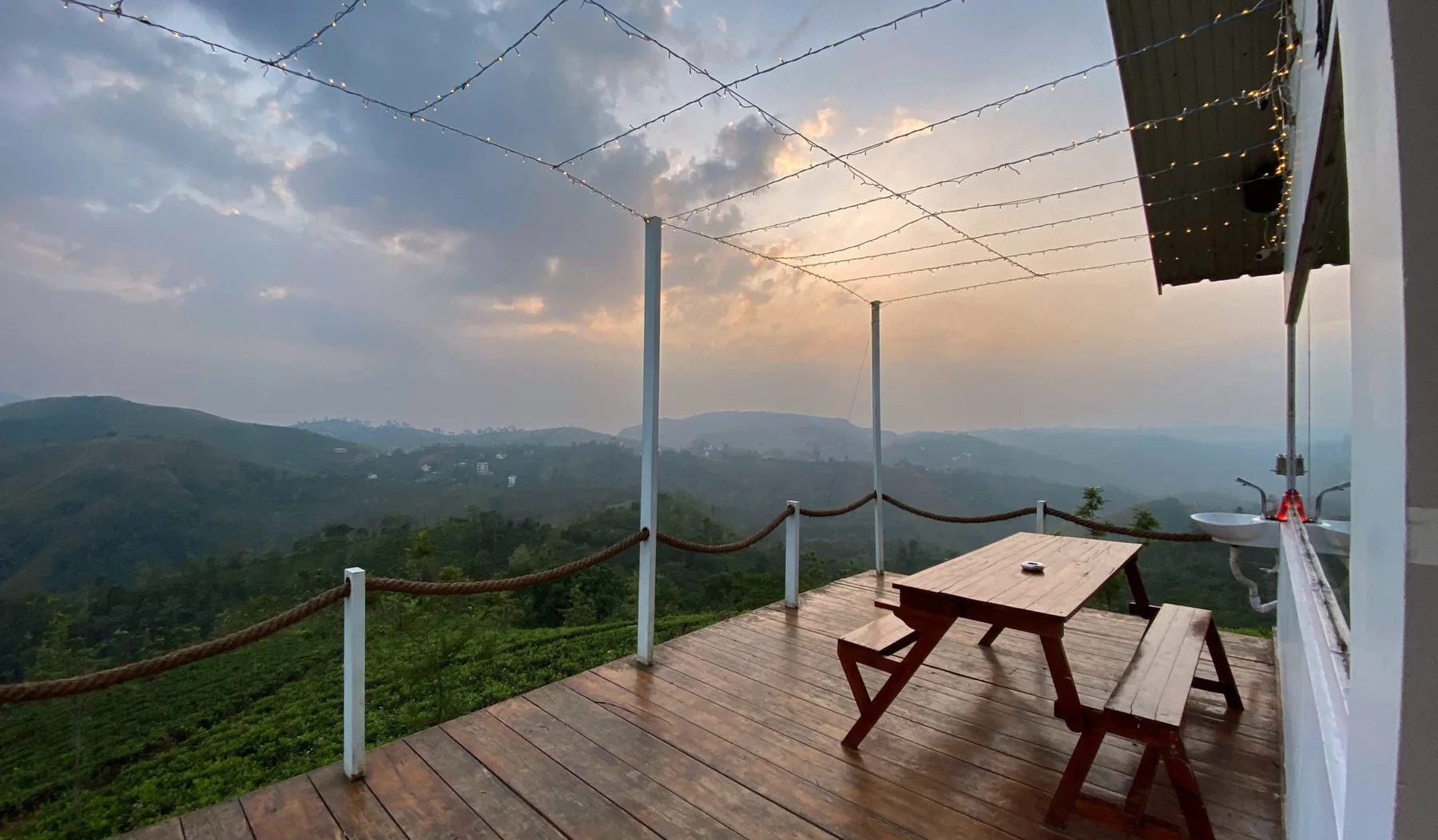
Deck Replacement in Smithtown, NY
When the frame has gone and not just the boards: full tear-out, careful disposal of older treated lumber, new footings, and a deck built to the current code.
Signs a Deck Is Past Repairing in Smithtown
Surface damage is a resurface. Damage in the structure is a replacement. These are the six conditions that usually settle the argument, and most of them are underneath where nobody looks.
Spongy Posts
An awl pushes into a support post without much effort. Rot at the base of the member carrying the most load is not a patch.
Soft Band Joist
The house framing behind an unflashed ledger has gone soft, so the bolts are no longer gripping sound wood.
Lifted Piers
Piers that never reached three feet ride the freeze-thaw up and down, and the deck racks a little further each winter.
Nails Only
The ledger is held on with framing nails or deck screws. Neither has the withdrawal capacity the connection needs.
Nothing Sideways
No hold-down devices anywhere. Common on decks framed before lateral anchorage was written into the code.
Veneer-Bolted
The ledger is fixed to brick or stone cladding. Veneer is not structure and cannot carry a deck.
Replacing a 1970s Smithtown Deck
Most replacements here are on their second or third go. The house is older than the deck, the deck is older than the current code, and the lumber coming out is usually not the lumber going back.
The Old Lumber Question
Anything built before 2004 is likely CCA-treated. It goes to an authorised facility, never a burn pile and never a chipper.
New Holes, Not Old Ones
Piers from the first deck rarely sit where the new frame wants them, and rarely deep enough. We dig fresh rather than reuse.
House Side Checked First
Before anything is bolted back on, the band joist and sheathing behind the old ledger get opened up and probed.
Anchorage Brought Current
Hold-down tension devices go in on the rebuild whether or not the deck being removed ever had them.
Site Kept Workable
Demolition debris goes out on our trucks through licensed carters, not into your bins or across your lawn for two weeks.
Chance To Change It
A rebuild is when the shape, the height and the stair position can move. Cheaper now than in ten years.
How a Replacement Runs
Tear-out, ground work, rebuild, sign-off, with the disposal route settled before the first board comes up.
Assessment
We probe posts, joists, stringers and the band joist behind the ledger, then say plainly whether this is a replacement or a smaller job.
Tear-Out
The old deck comes off in sections, with pre-2004 treated lumber kept separate for authorised disposal.
Ground Work
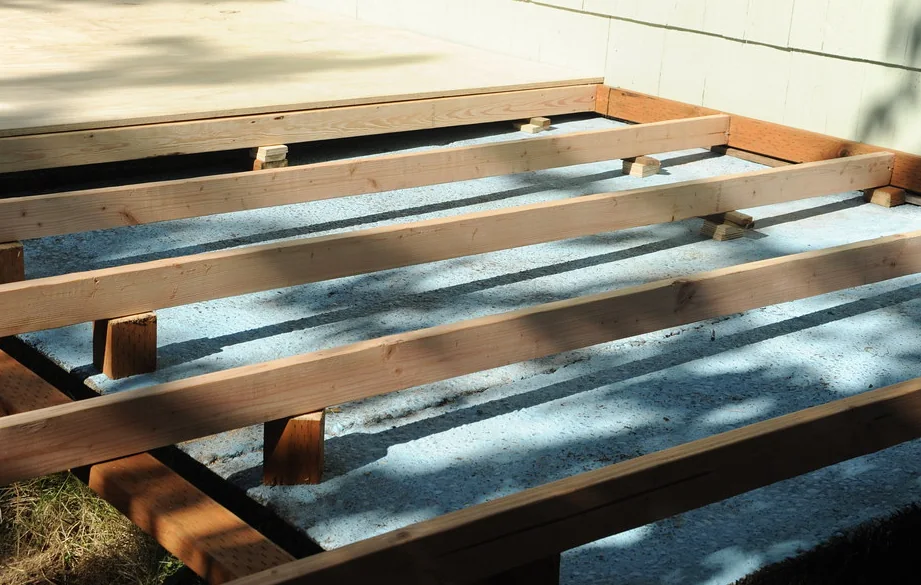
New piers to depth, inspected open before the pour.
Rebuild
Frame, flashing, anchorage, decking, guards and stairs, then the final inspection with the town.
Why Is Smithtown Replacing So Many Decks Right Now?
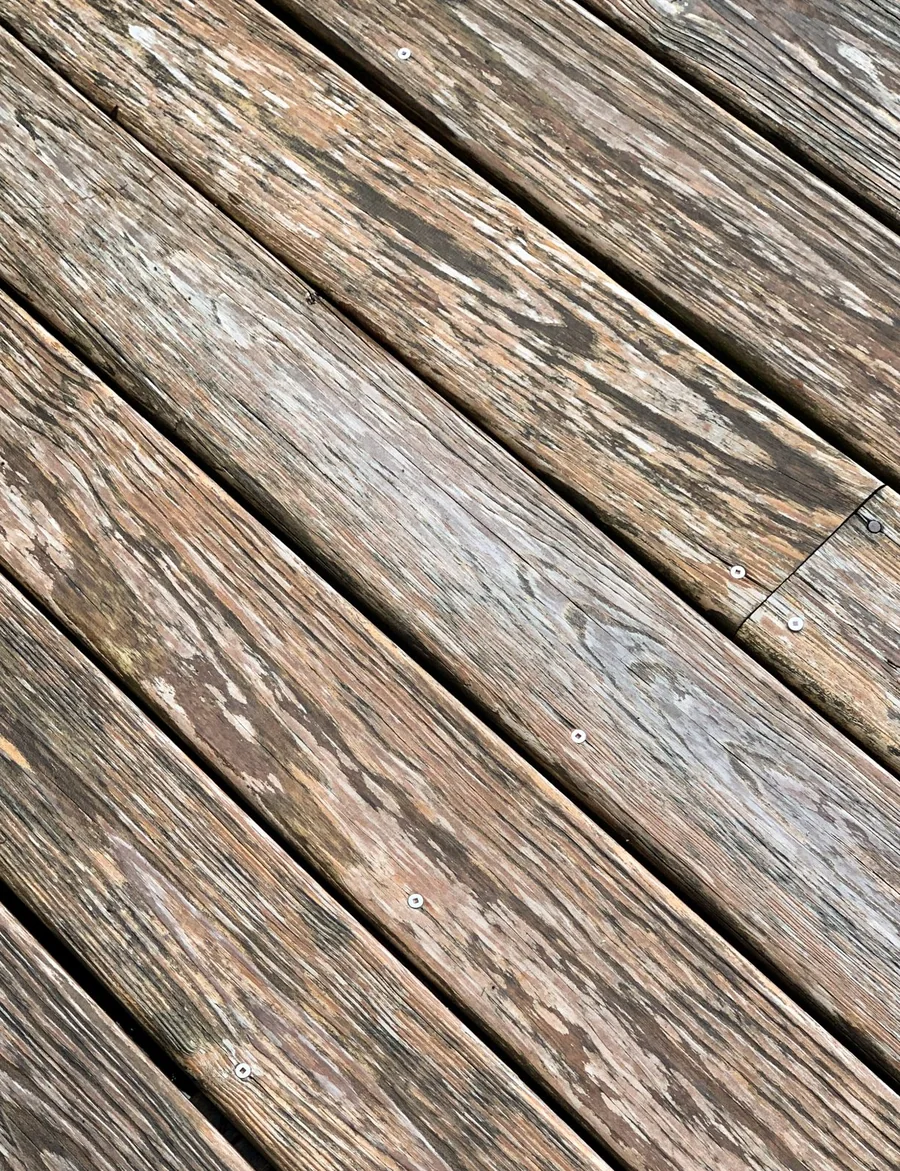
Because the town's housing arrived in one long wave and the decks are aging in one wave behind it. The median Smithtown house dates to roughly 1967, and the first generation of back-yard decks bolted onto that stock went up in the 1970s and 1980s. Those frames predate lateral anchorage rules, they were often nailed rather than bolted at the ledger, and the lumber in them is usually CCA-treated. Thirty freeze-thaw winters later the piers have moved and the band joist has softened. We tear out, dispose of the old material properly, dig new footings and rebuild the whole structure.
- ✓ Full structural tear-out
- ✓ Pre-2004 lumber separated
- ✓ Fresh piers to depth
- ✓ House side opened and probed
- ✓ Anchorage brought current
- ✓ Layout can change
Smithtown housing, in numbers
Deck Services in Smithtown, NY
Six lines of work, all run by the same crew: new builds, full replacements, composite, repairs, refinishing and railings.
Deck Building
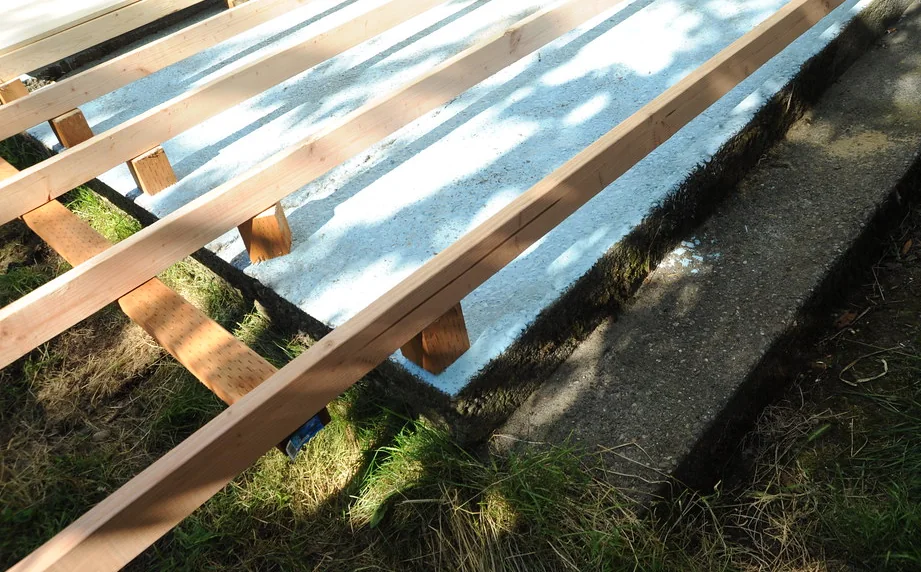
New decks framed, flashed and built to what the town's plan review asks for.
Learn more →
Deck Replacement
Full teardown and rebuild when the frame, not just the surface, has reached its limit.
Learn more →
Composite Decking
Capped composite and PVC boards installed to the board maker's own gapping rules.
Learn more →
Deck Repair
Rot, wobble, loose ledgers and frost-heaved piers found, priced and put right.
Learn more →
Deck Staining
Cleaning, brightening and refinishing on a moisture reading, not a calendar date.
Learn more →
Deck Railings
Wood, composite, aluminum and cable systems, with the posts anchored to take the load.
Learn more →Half the decks I look at do not need replacing. If the frame probes solid and the ledger is flashed, I will tell you to re-deck it and keep the structure. The other half, the honest answer is that no amount of new boards fixes what is underneath them.
Deck Work Across the Town of Smithtown
Coverage runs the whole Town of Smithtown and past its edges, from Fort Salonga down to Ronkonkoma and east to Stony Brook. Kings Park, St. James and Nesconset are short runs. Prices go in writing first, and a job at the far end of the map costs what one down the road costs.
Replacing a Deck in Smithtown
Find Out Which Job This Is
We probe the posts, joists and the band joist behind the ledger, then tell you whether this is a resurface or a rebuild. The answer is often the cheaper one.