
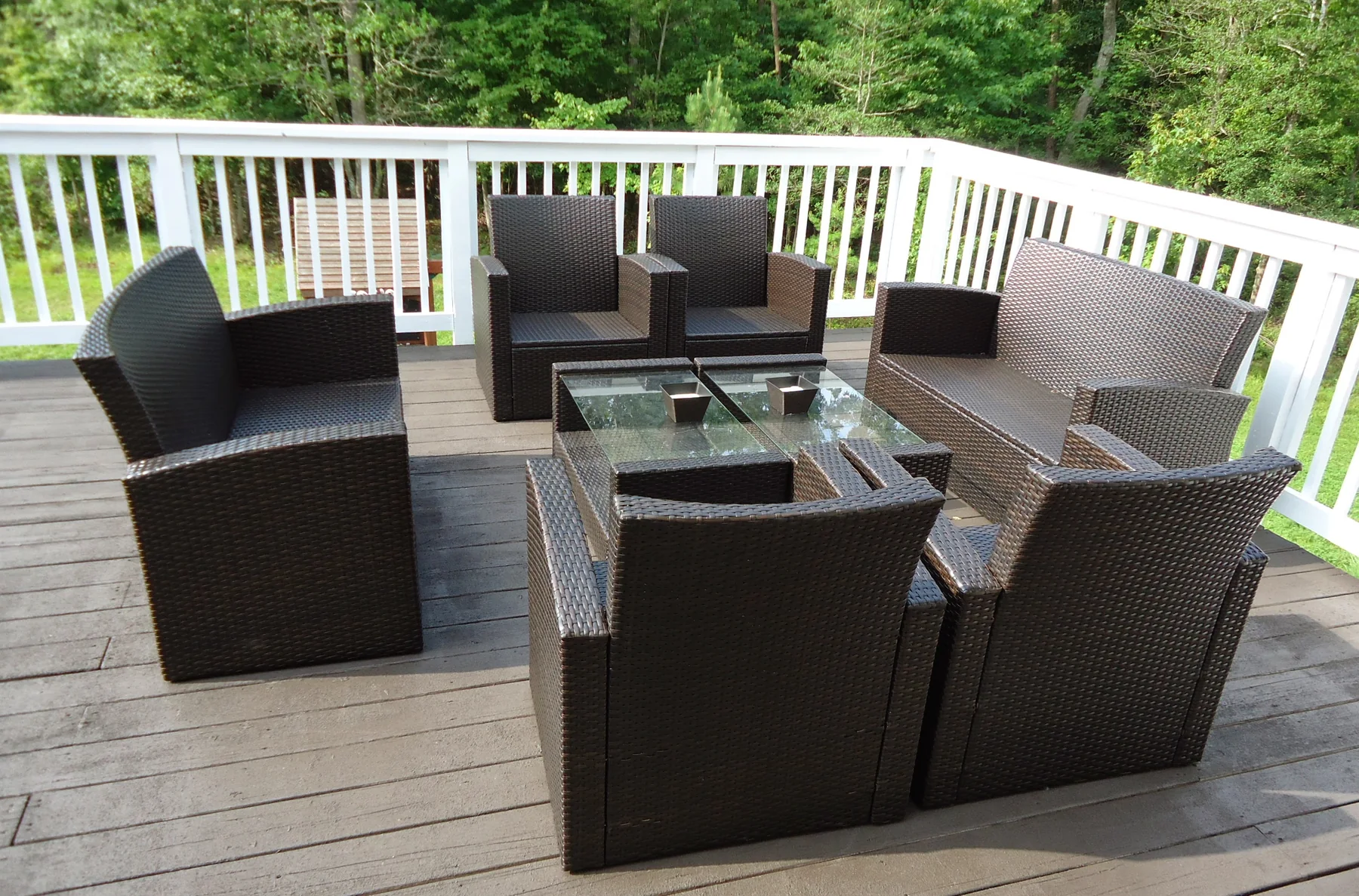
Deck Builders in Smithtown, NY
We build, replace and repair decks across the Town of Smithtown, from the Sound side down through Nesconset and Hauppauge. Most houses here went up between the 1950s and the 1970s, so much of what we touch is a second or third deck.
How much does a new deck cost in Smithtown, NY?
Most pressure-treated decks in Smithtown run about $28 to $52 per square foot installed, and capped composite runs roughly $50 to $80. Three-foot frost footings, stair count, railing type and truck access all move the number. You get a written price before anything starts.
Deck Services in Smithtown, NY
Six lines of work, all run by the same crew: new builds, full replacements, composite, repairs, refinishing and railings.
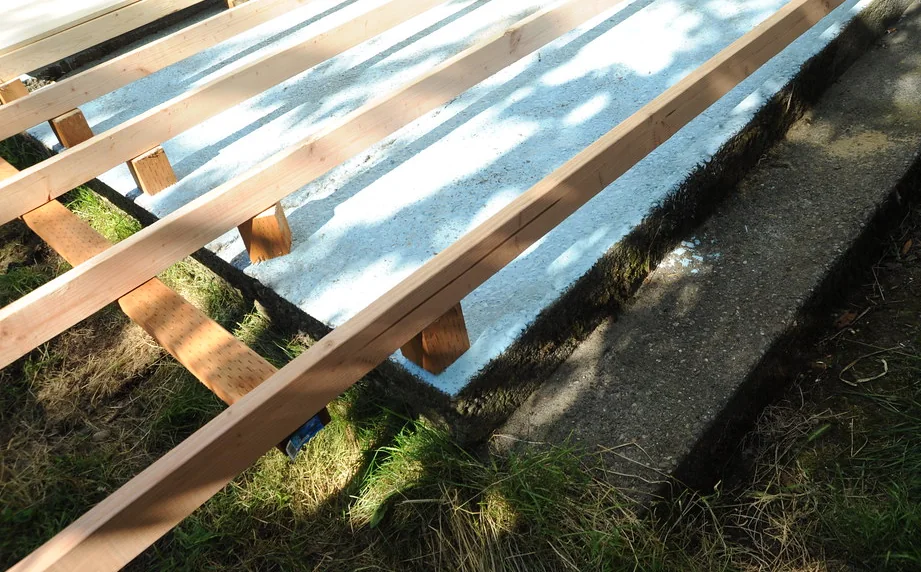
Deck Building
New decks framed, flashed and built to what the town's plan review asks for.
Learn more →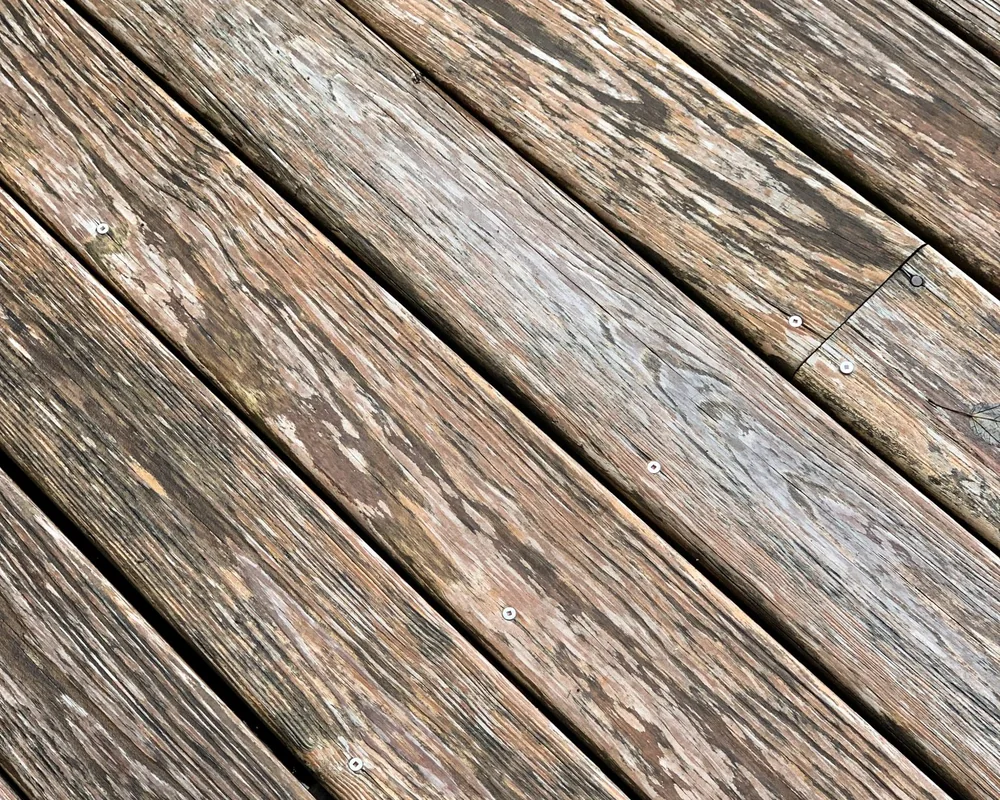
Deck Replacement
Full teardown and rebuild when the frame, not just the surface, has reached its limit.
Learn more →
Composite Decking
Capped composite and PVC boards installed to the board maker's own gapping rules.
Learn more →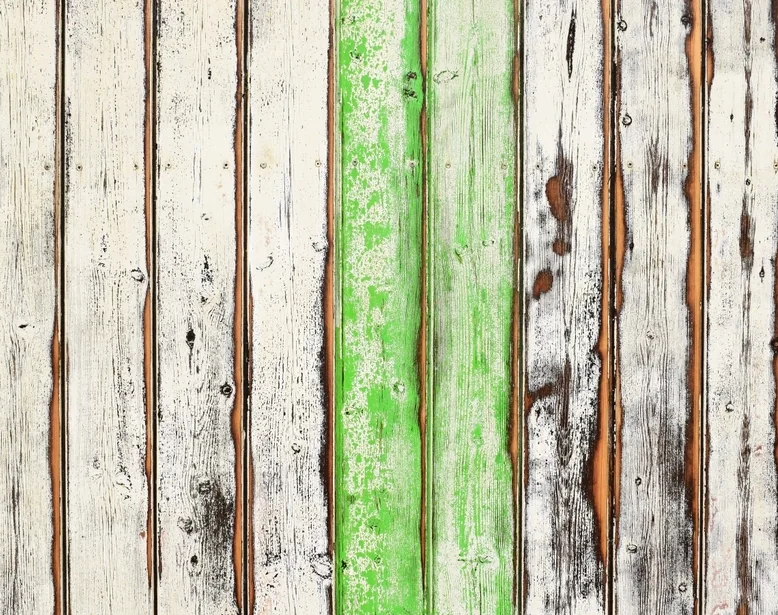
Deck Repair
Rot, wobble, loose ledgers and frost-heaved piers found, priced and put right.
Learn more →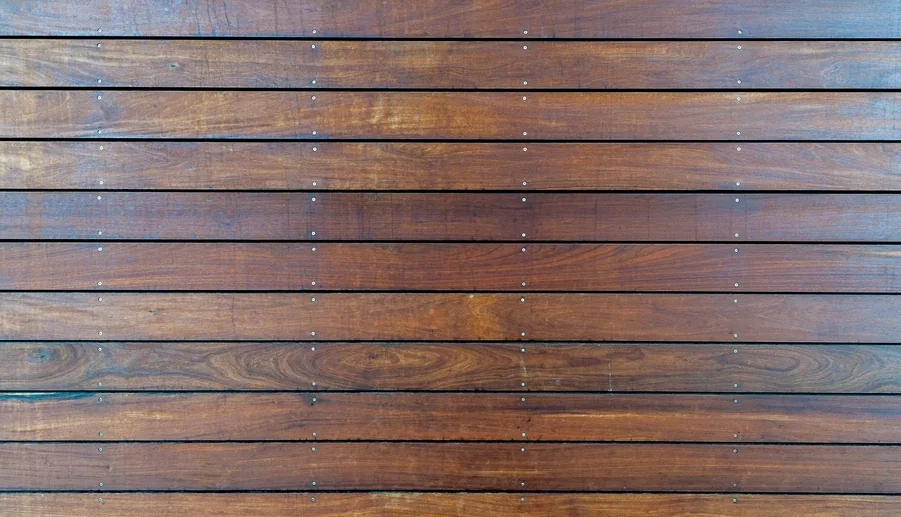
Deck Staining
Cleaning, brightening and refinishing on a moisture reading, not a calendar date.
Learn more →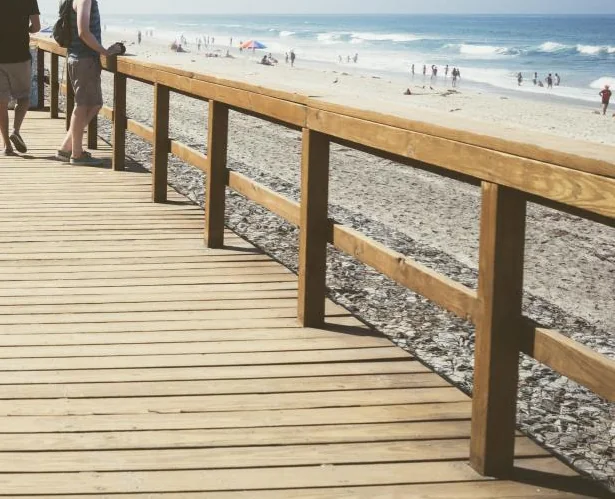
Deck Railings
Wood, composite, aluminum and cable systems, with the posts anchored to take the load.
Learn more →Permit Drawn First
Plans and load notes before anyone digs.
Flashed Ledgers
Metal flashing behind every board bolted to a house.
Rated Fasteners
Hardware matched to the wood and the exposure.
Whole Town Covered
Every hamlet and village inside Smithtown.
What Makes a Deck Job Here Different?
Three things, and all three are local. The design frost line here is three feet, and the town's own deck sheet puts attached-deck footings at least thirty-six inches below grade, so the hole is deeper and the concrete bill bigger than in a mild market. Second, plan review asks which wind exposure category the drawings used, and an open shoreline lot in Nissequogue does not get the same answer as a wooded lot inland. Third, salt air off the Sound is hard on ordinary hardware. Those three facts decide the framing, the fasteners and the price long before anybody picks a board color.
Three-Foot Footings
The town's deck guidance puts attached-deck footings at least thirty-six inches below grade. We dig for the inspector, not for the schedule.
Exposure On The Drawings
Plan review asks which wind exposure category the design used. Shoreline lots and wooded inland lots get different answers, and ours says which.
Hardware That Matches
Modern treated wood is hard on steel. Fasteners and connectors get specified together, so one metal is not quietly eating the other.
Flashing Behind The Ledger
Metal flashing goes behind every board bolted to a house. Skip it and the band joist rots while the deck still looks fine from the yard.
The Same Crew Throughout
Whoever framed it sets the rail and hangs the stairs. No handoff halfway, and no subcontractor you have never met.
A Scope You Can Compare
Board, railing system, footing count and stair count all go in writing. That is what makes one bid comparable to another.
Why Do So Many Decks Around Here Need Replacing?
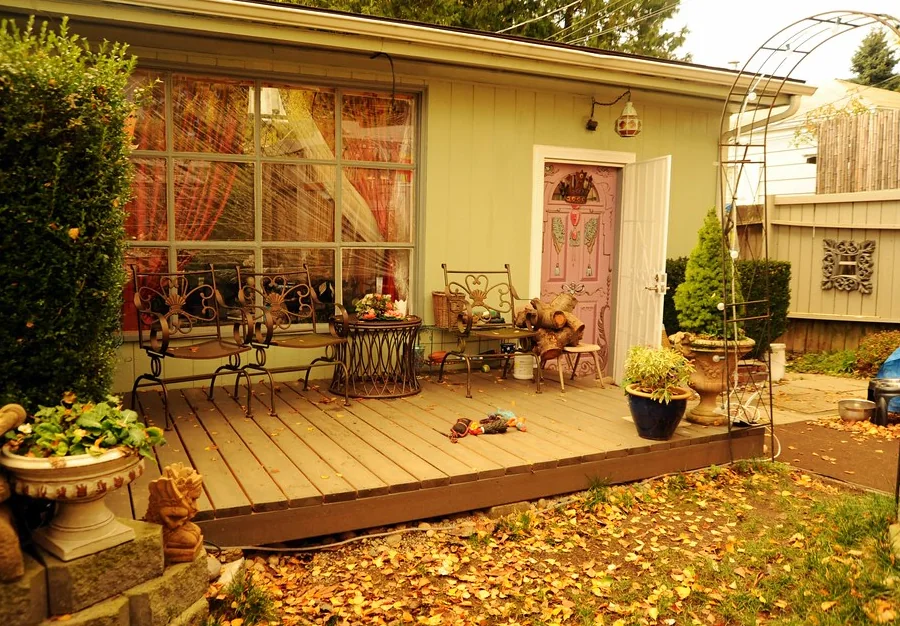
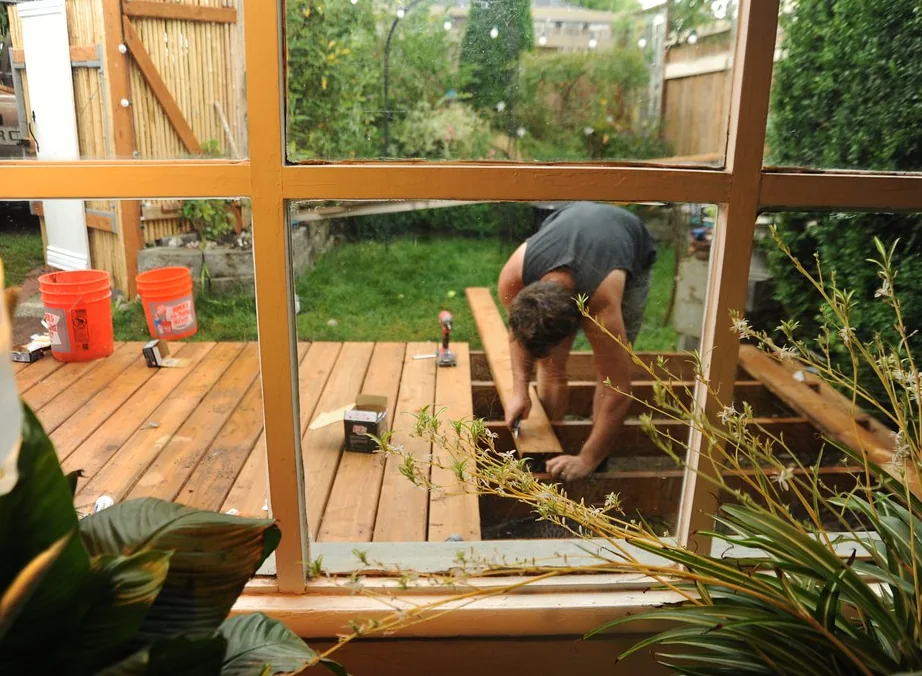
Because of when the town got built. The median Smithtown house dates to about 1967, which puts most of the stock on its second or third deck by now. A frame put up in the 1980s predates the lateral-load anchorage rules decks are held to today, and anything built before 2004 is probably CCA-treated lumber, which changes how the tear-out has to be handled. Add three feet of frost and the freeze-thaw that comes with it, and piers that were never set deep enough begin to lift. We build new decks, replace worn-out ones, repair frames, install composite, refinish boards and fit railing systems.
- ✓ Second-cycle deck work
- ✓ CCA tear-outs handled right
- ✓ Frost-depth pier work
- ✓ Composite over sound frames
- ✓ Salt-air hardware specified
- ✓ Written scope up front
What Smithtown's Building Department Actually Wants To See
A deck standing more than eight inches above the lowest point of grade needs a building permit here, which in practice takes in almost all of them.
- The triggerEight inches, measured from the lowest point of the natural or approved grade. A ground-hugging platform out in the middle of a yard might slip under it. A deck off a back door does not.
- What goes inThe residential application for additions, alterations and accessory structures, with plans, plus a note saying whether the design is engineered or prescriptive.
- The wind questionPlan review asks for the wind exposure category the design used. Exposure B is the suburban and wooded case; open and shoreline sites take Exposure C.
- Loads written downDesign loads belong on the drawings, deck live load included. The town's deck guidance works to forty pounds per square foot.
- Coverage before paperState law bars the town from issuing the permit until the applicant proves workers' compensation coverage or files the exemption form.
- Two gates that matterFootings get looked at before the pour, framing before decking covers it. Miss either and the work gets opened back up.
I would rather lose a bid than win it by leaving the flashing out. Every line in my price is something I can point to on the drawings. And if the frame under your old deck is still sound, I will say so, and the job gets smaller instead of bigger.
Deck Work Across the Town of Smithtown
Coverage runs the whole Town of Smithtown and past its edges, from Fort Salonga down to Ronkonkoma and east to Stony Brook. Kings Park, St. James and Nesconset are short runs. Prices go in writing first, and a job at the far end of the map costs what one down the road costs.
Deck Questions homeowners here keep asking
Get Your Deck On The Schedule
Tell us the size, the height off the ground and where in town you are, and a written price comes back. No pressure, and no sales visit you did not ask for.